
Project Details: Whitehorse Canada Games Centre – Aquatic Centre Upgrades
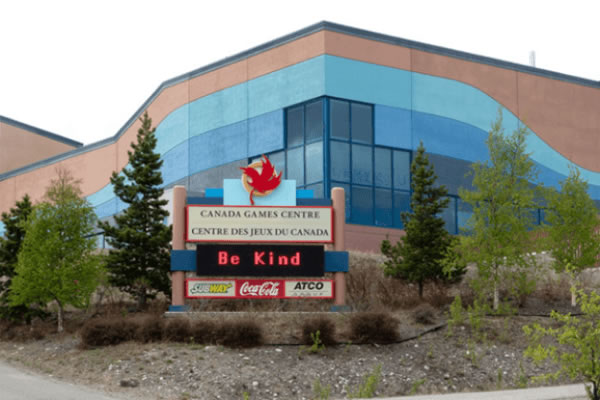
Whitehorse Canada Games Centre – Aquatic Centre Upgrades
Service: Mechanical, Electrical
Location: Whitehorse, YT
Specialty: HVAC Retrofit, Natatorium Environment Control, Building Envelope Remediation, Multi-Disciplinary Coordination
Project Details
Overview
The Whitehorse Canada Games Centre (CGC) is the primary recreational hub for the City of Whitehorse and the surrounding Yukon region. As a multi-plex facility, it plays a vital role in community health and wellness, offering a space for competitive swimming, leisure, and fitness. Known as the Wilderness City, Whitehorse relies on this centre as a central gathering place for residents, making its long-term operational viability a top priority for the municipality. The Aquatic Centre is the most technically demanding portion of the building, housing a lap pool, a leisure pool, a hot tub, and a water slide.
Operating a large-scale indoor aquatic facility in a sub-arctic climate presents significant engineering hurdles. The high humidity and chemical content of the indoor air, combined with extreme exterior cold, create a punishing environment for both mechanical equipment and the building structure. Over time, the facility began to show signs of mechanical wear and building envelope degradation. Lexus Engineering was engaged to lead a multi-phase upgrade project to modernize these systems. Our work focused on restoring the integrity of the building envelope, improving indoor air quality and optimizing energy performance.
Project Goals
The project was designed to address immediate maintenance concerns while future-proofing the facility against the harsh northern climate. The primary goals included:
- Building Preservation: Remediating areas where moisture had caused structural damage and preventing further degradation of the building envelope through improved air management.
- System Reliability: Upgrading aging air handling components and ductwork to ensure consistent environmental control in a corrosive, high-moisture atmosphere.
- Technical Modernization: Integrating new exhaust systems and return air paths to better manage moisture and chemical by-products at the source.
- Operational Control Clarity: Separating mechanical functions to ensure humidity, temperature, and building pressure are managed by dedicated systems without conflicting control priorities.
- Health and Comfort: Enhancing the breathing zone for swimmers and staff by effectively removing chloramines and ensuring precise pressure and temperature relationships.
Background: The Engineering of Natatorium Environments
Indoor pool facilities, or natatoriums, are among the most difficult environments to manage from an HVAC perspective. The constant evaporation of water from pool surfaces introduces massive amounts of moisture into the air. When this moisture carries pool chemicals like chlorine, it creates a corrosive atmosphere that can quickly damage metal components, fasteners, and electrical systems.
The challenge is exacerbated in a climate like the Yukon. In the winter, the temperature difference between the warm, humid pool area and the sub-zero outdoors is extreme. This creates a high risk of condensation. If moist air migrates into the walls or roof through gaps in the air barrier, it hits cold exterior surfaces and turns into liquid water or ice. This leads to rot in wall assemblies, mould growth, and damage to insulation.
Successful natatorium design relies on several key technical principles:
- Dehumidification: Moisture must be mechanically removed from the air to keep relative humidity at a manageable level, typically between 50% and 60%. This range is essential for both occupant comfort and material longevity.
- Pressure Control: The pool area must be kept at a slight negative pressure compared to the rest of the building. This ensures that the humid, chlorinated air is contained within the pool hall and is not pushed into offices, change rooms, or the building’s structural cavities.
- Air Distribution: Air must be distributed effectively to keep exterior surfaces, especially windows, warm and dry. A constant air sweep across the glass and frames prevents condensation from forming and blocking visibility.
- Ventilation: Fresh air is required to dilute chloramines—the chemical by-products that cause the distinct pool smell and irritate the eyes and lungs of swimmers.
- Temperature Management: To minimize evaporation and maintain comfort, the air temperature is generally kept slightly higher than the water temperature.
When these factors are not properly balanced, the resulting conditions can lead to rapid building failure, especially in a sub-arctic setting.
Our Solutions
Lexus Engineering executed a rigorous two-phase strategy to modernize the Canada Games Centre, moving from detailed assessment to precision implementation.
Phase 1: Mechanical System Assessment and Leakage Testing
Our team began the project with a comprehensive assessment of the existing systems. This investigation revealed significant moisture damage in the south vestibules of the lap pool. The lack of an effective air barrier in these areas allowed warm pool air to infiltrate the wall assemblies, leading to rotted drywall. We also noted "shadows" of insulation pins through the exterior stucco finish, which indicated that internal moisture was reaching the cold exterior of the wall—a classic sign of envelope failure.
A critical component of this phase involved understanding the building’s airtightness. Lexus Engineering coordinated with a local blower door specialist who performed envelope leakage testing. This was done in conjunction with efforts by the Whitehorse building maintenance staff, who worked to seal the transfer boundary between the pool area and the concourse (the rest of the building).
The results of this leakage testing were essential. By determining exactly how much air was leaking between the aquatic centre and the adjacent spaces, Lexus was able to accurately size the new water slide exhaust fan. This precision ensured we could achieve the required level of negative pressure without over-sizing the equipment, which would have led to unnecessary energy waste.
Phase 2: Precision Engineering Design and Retrofit
Following the assessment and testing, Lexus developed a detailed design for the mechanical and electrical upgrades.
Mechanical and Electrical Infrastructure
To resolve the circulation and moisture issues identified in Phase 1, we implemented several targeted improvements:
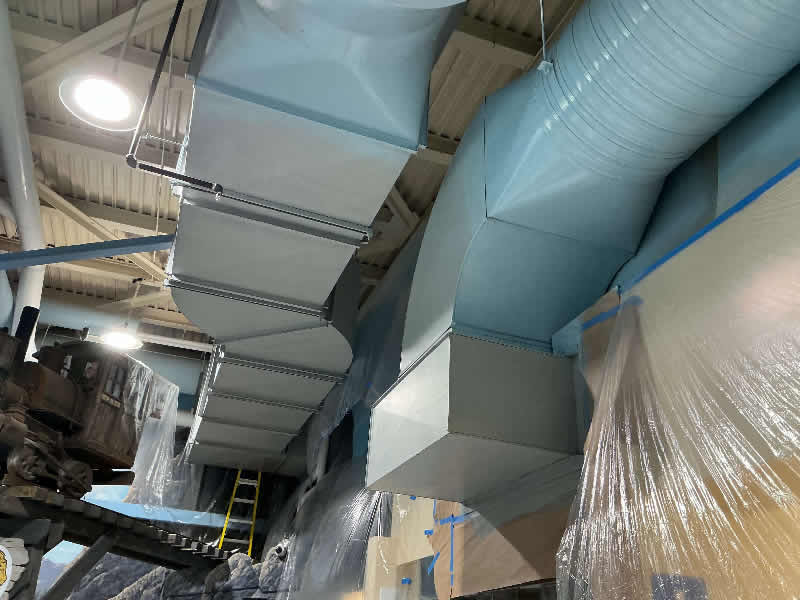
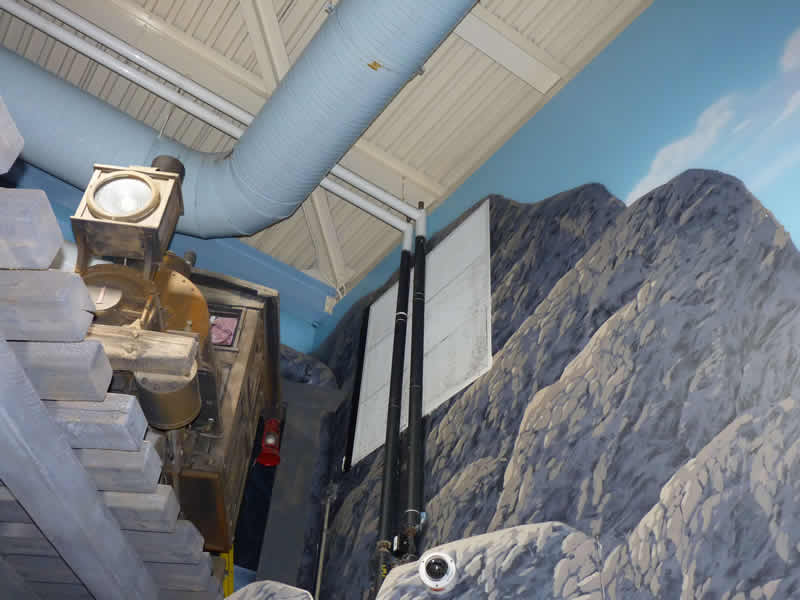
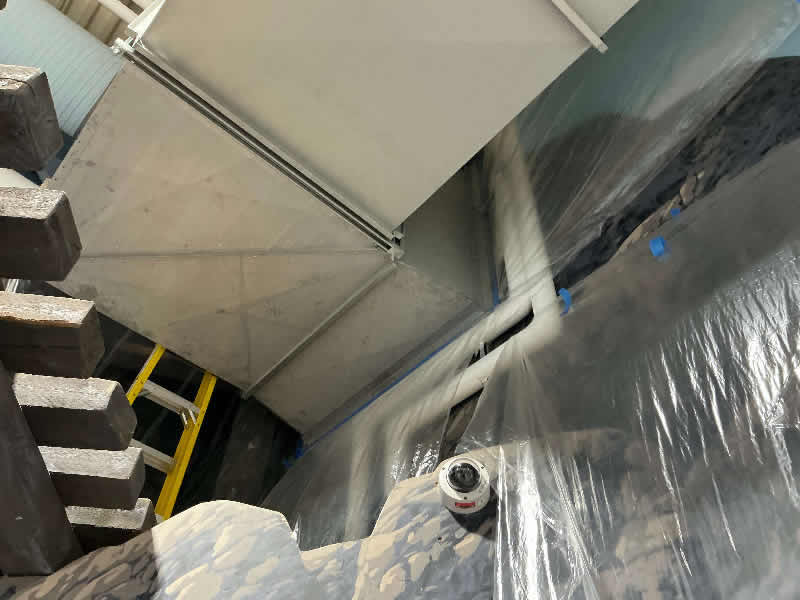
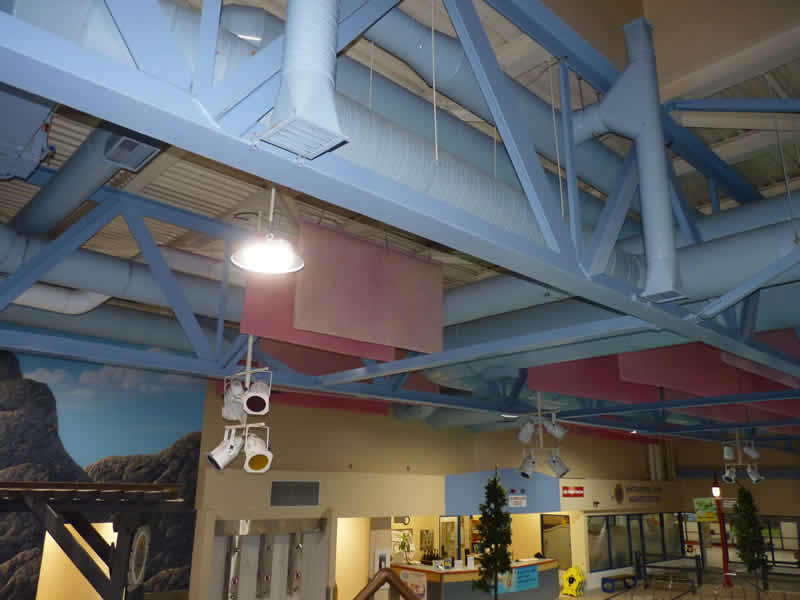
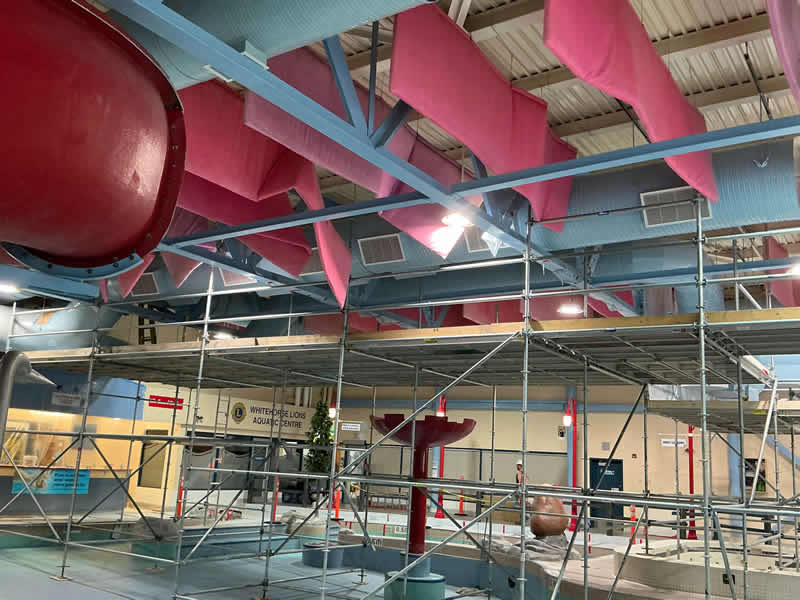
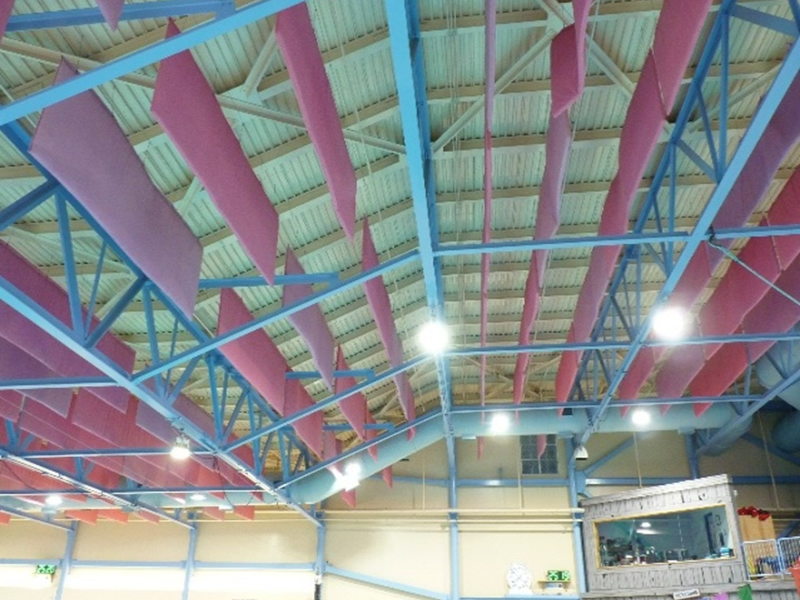
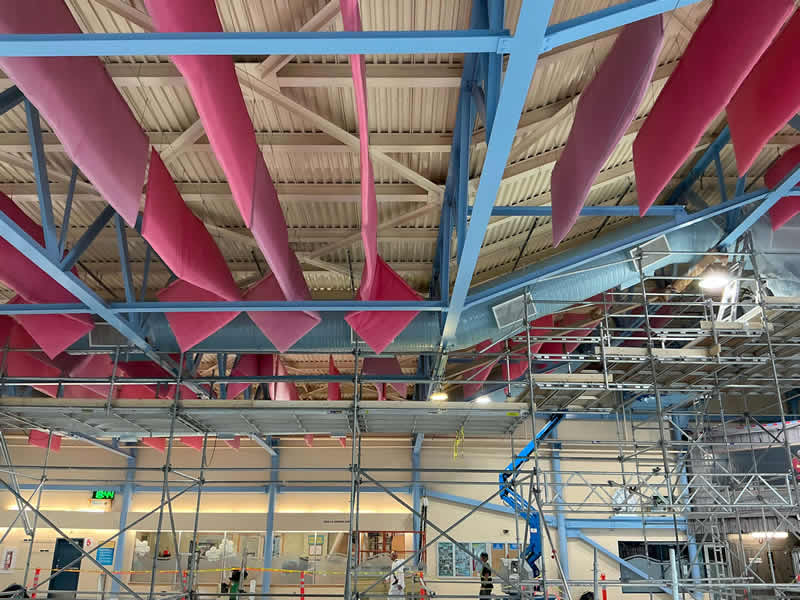
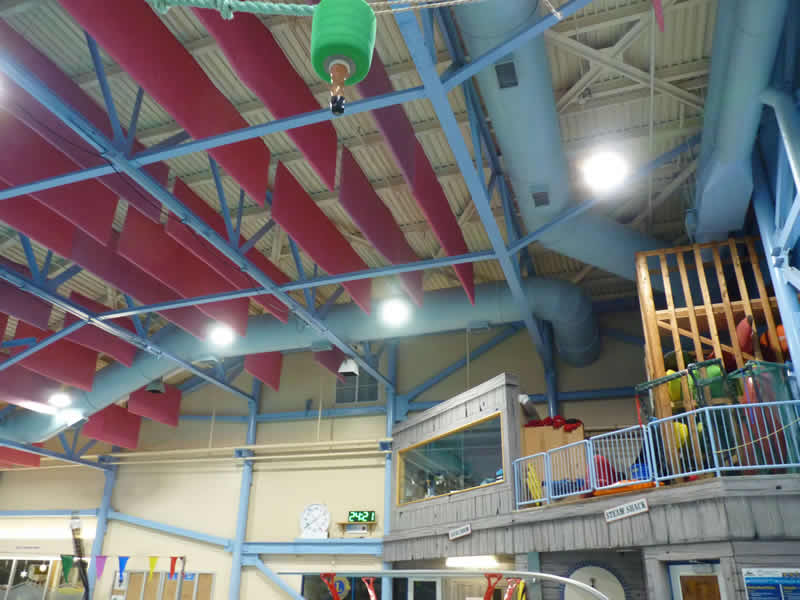
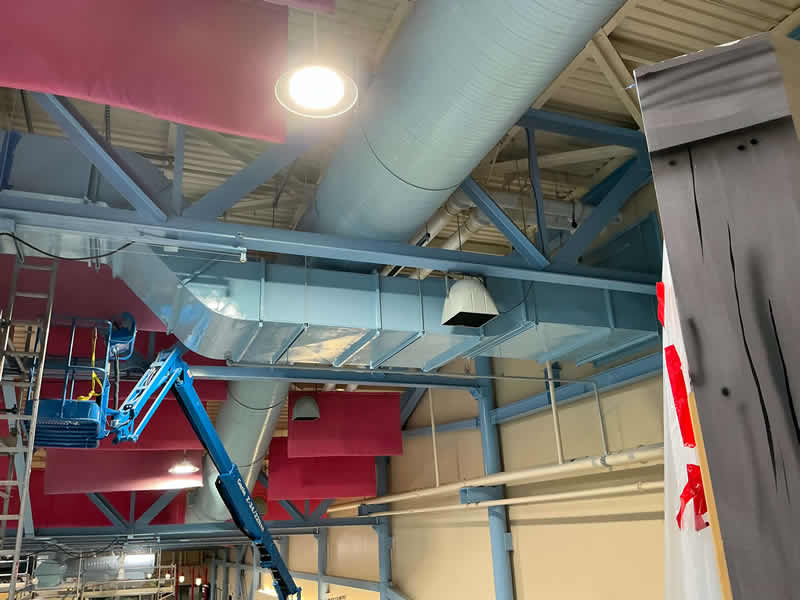
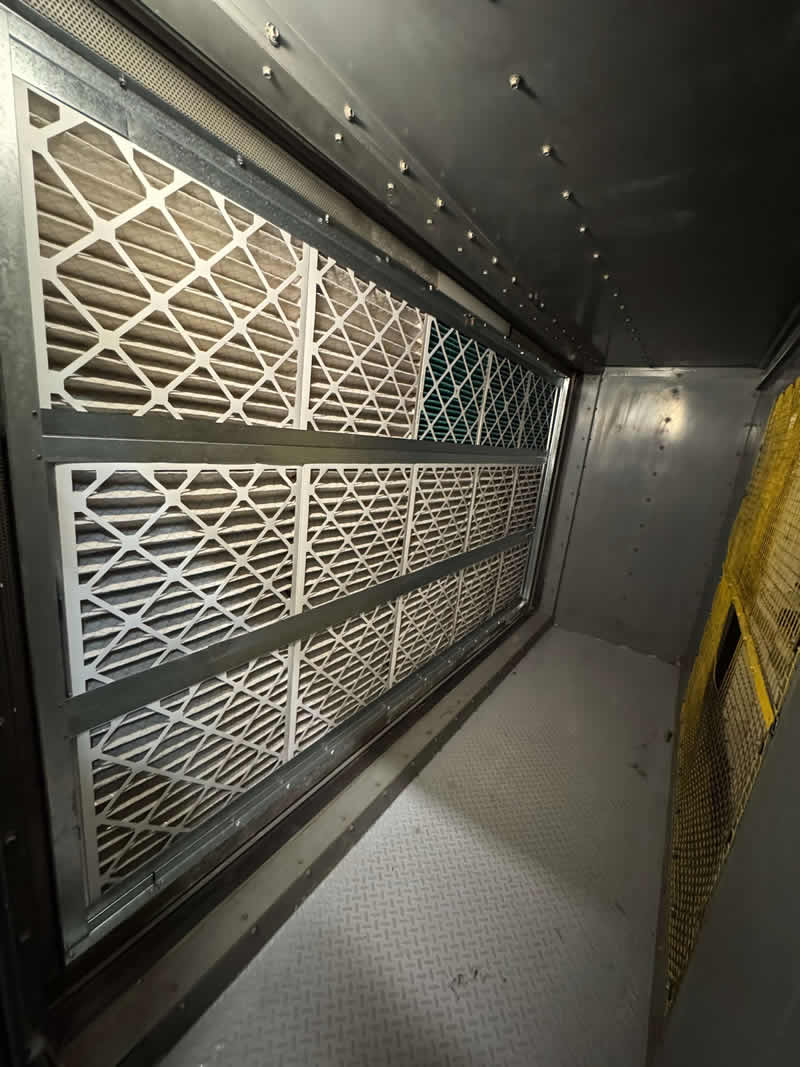
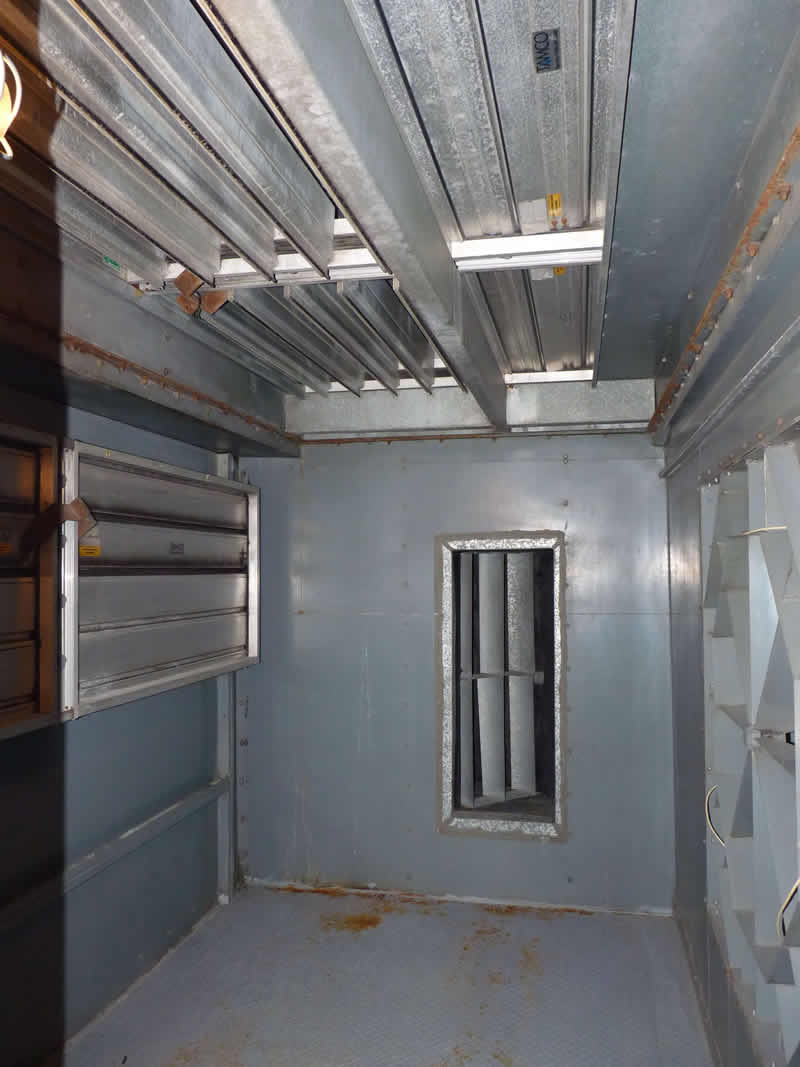
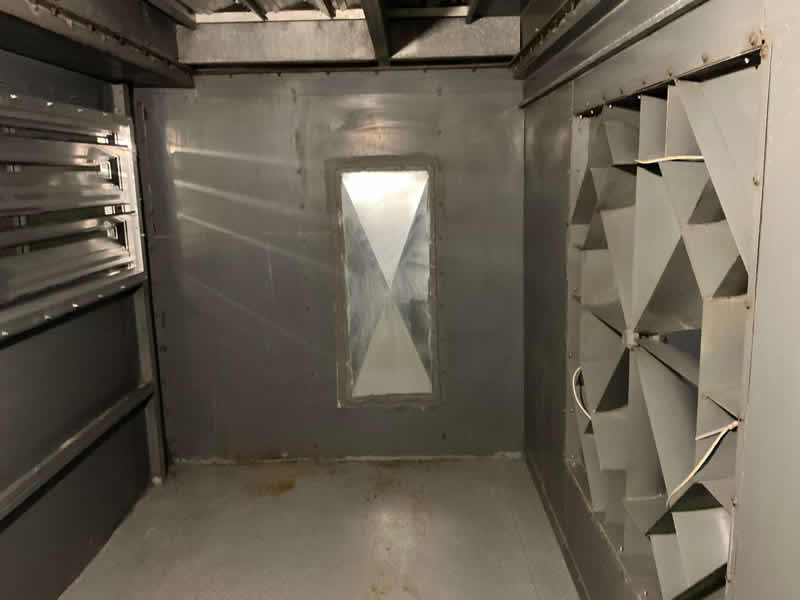
- Return Air Upgrades: We designed and added new return air ductwork for air handling units AS-2 and AS-3. This addition ensured air is pulled back to the treatment systems from areas that previously lacked sufficient circulation, preventing the accumulation of stagnant, humid air.
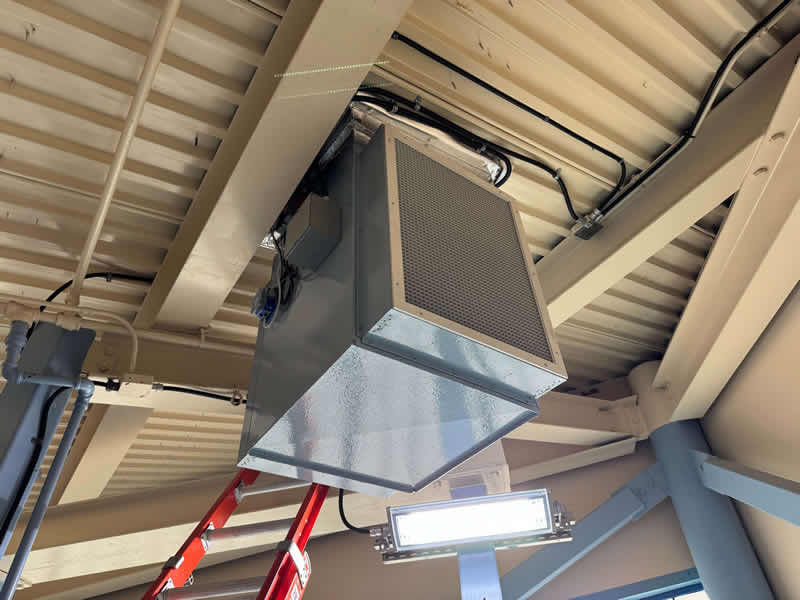
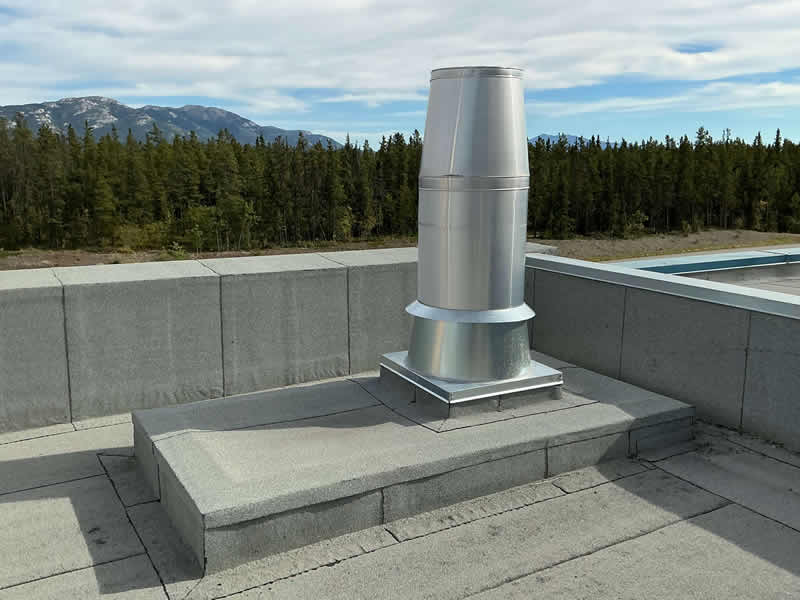
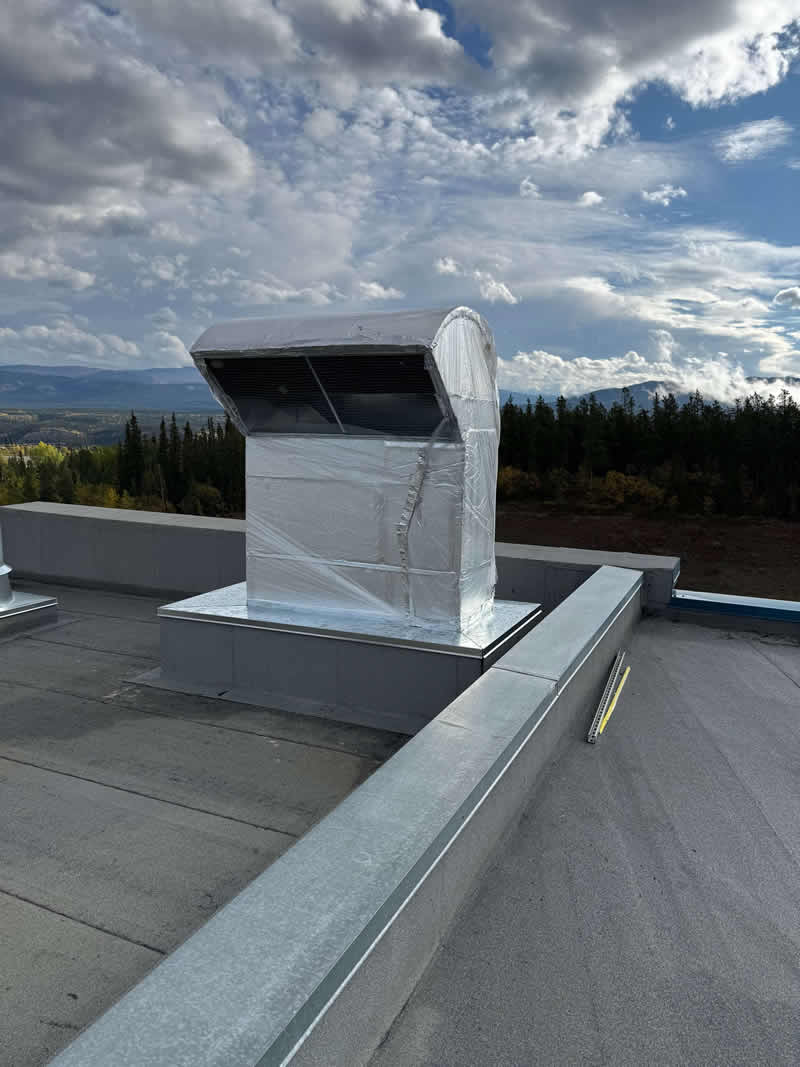
- Source-Capture Exhaust: We designed a new exhaust duct system located directly over the hot tub. By tying this into the AS-1 exhaust ductwork, we are able to remove concentrated moisture at the source before it can spread throughout the pool hall.
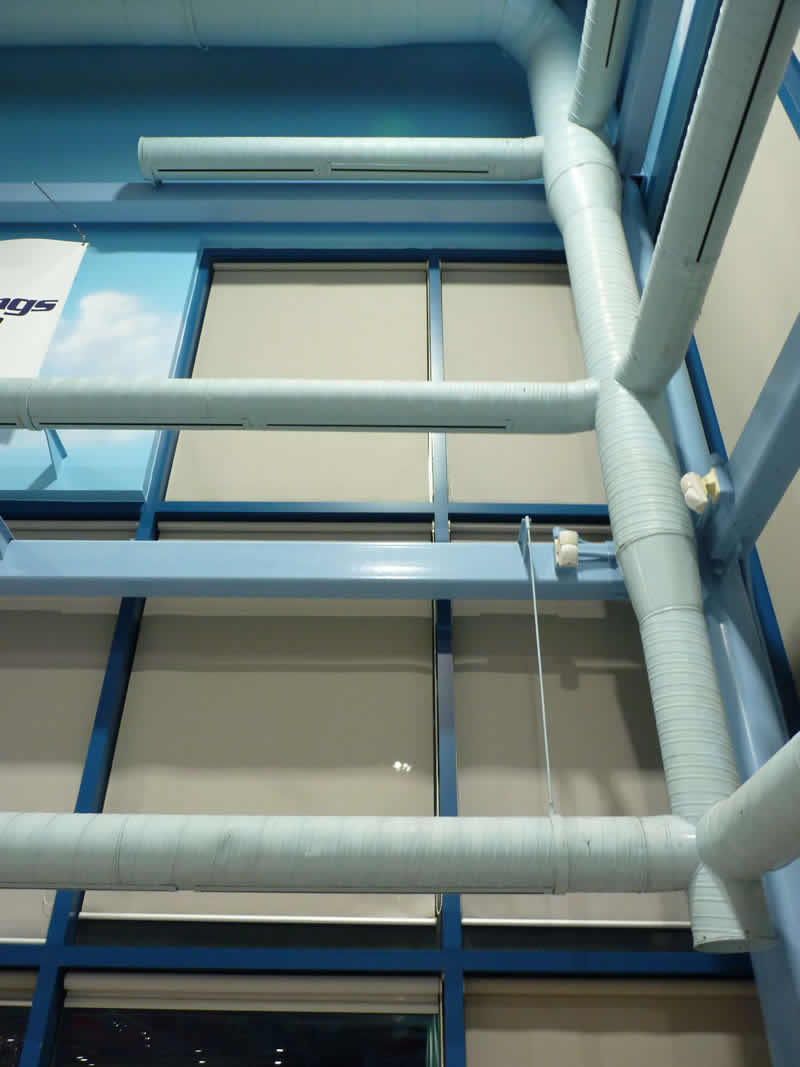
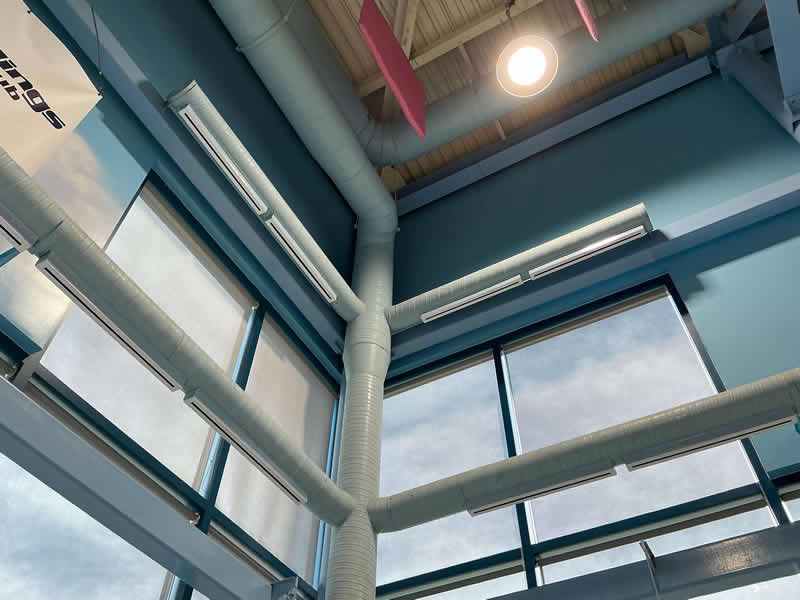
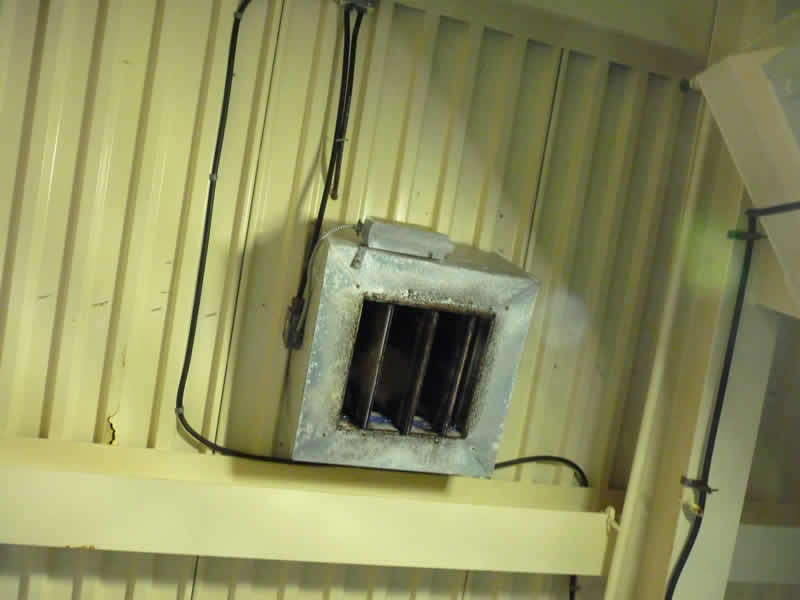
- Grille Replacement: We specified the replacement of supply air and exhaust grilles near the windows and within the change rooms. These new grilles were selected for their corrosion resistance and their ability to provide the necessary air distribution across vulnerable exterior surfaces to prevent condensation.
- Electrical Integration: Lexus provided the electrical design to support these upgrades. This included the integration of replacement motors for the air handling units and the power systems for the new exhaust fan. We utilized Variable Frequency Drives (VFDs) to allow for more precise control over fan speeds.
Advanced Control Strategy and Pressure Management
A major innovation in our solution was the complete redesign of the control logic to avoid conflicting priorities between mechanical components. In many pool designs, the main air handlers are tasked with managing both the internal environment and building pressure, which often leads to unstable operation and "hunting" for setpoints.
Our solution decoupled these functions into a clear hierarchy:
- Air Handlers (AS-2 and AS-3): These units are now solely responsible for providing the necessary air changes within the space.
- Humidity Control: The dampers on the air handlers manage humidity through an economizer strategy. They are programmed to provide equal amounts of exhaust and outside air supply. This maintains the moisture balance while ensuring the air handlers remain "neutral" regarding room pressure.
- Temperature Control: The heating coils within the air handlers are dedicated to controlling the space temperature, maintaining it relative to the pool water temperature to suppress evaporation.
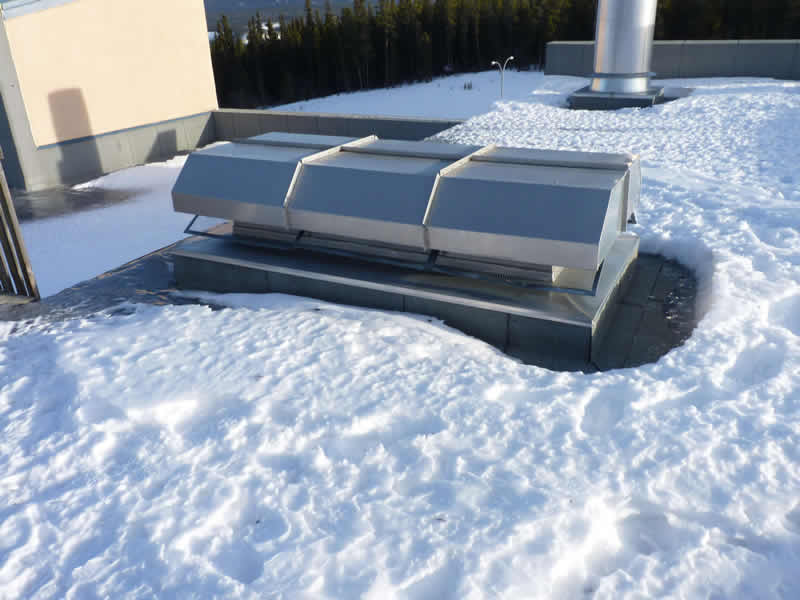
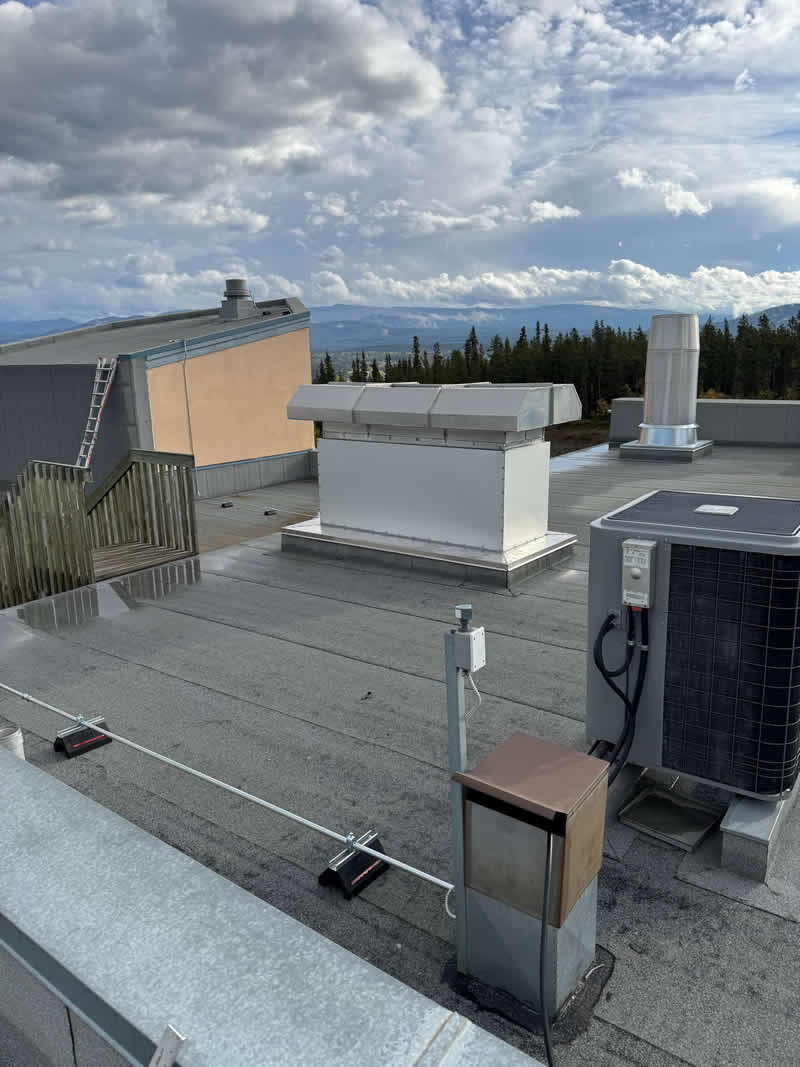
- Negative Pressure: Building pressure is now managed independently by the new water slide exhaust fan. This fan runs independently of the main air handlers and is solely responsible for maintaining the negative pressure relationship in the pool area.
By using the water slide fan as a dedicated pressure controller, the main air handlers can modulate for temperature or humidity without causing pressure fluctuations that could push moist air into the building structure.
Multi-Disciplinary Coordination and On-Site Efforts
While Lexus Engineering led the core technical design, the project was a collaborative, multi-disciplinary effort. The City of Whitehorse and the building maintenance staff were vital to the project’s success, coordinating on-site efforts and acting as the primary link between the consultants and the day-to-day operations of the facility.
We worked alongside several other professionals to ensure a complete solution:
- Architectural Coordination: A local architect specified the continuity of fire separations between the pool and the concourse and office areas. They also selected the colours and finishes for the new ductwork to ensure it fit the aesthetic of the centre, while managing local permitting and on-site progress reviews.
- Structural and Seismic Engineering: The Yukon is a seismic zone, requiring different engineering standards than typical Alberta-based designs. We collaborated with a structural consultant who assessed the roof's capacity for the new, heavy-gauge ductwork and designed the specialized seismic restraints required to keep the heavy mechanical systems secure. This was a unique aspect of the project for our team, as these seismic requirements are specific to the mountainous regions of the Yukon and British Columbia.
- Fire Protection: A sprinkler consultant provided the specifications for additional sprinkler coverage beneath the oversized ducts to ensure the building remained code-compliant.
Result
The upgrades to the Whitehorse Canada Games Centre demonstrate how technical engineering solutions can solve complex, real-world problems. By focusing on the fundamental principles of natatorium design—specifically the separation of pressure control from temperature and humidity management—Lexus Engineering has successfully halted the degradation of the facility’s envelope and improved the interior environment.
The project succeeded because of the integrated approach taken by all disciplines, supported by the invaluable local knowledge of the City’s maintenance staff. The new ductwork, dedicated exhaust systems, and revamped control logic work together to protect the building from harsh winters while reducing long-term energy costs for the City of Whitehorse.
The community now benefits from a facility with better air quality, fewer chemical irritants, and a more comfortable atmosphere. For the City of Whitehorse, the project has preserved a vital piece of infrastructure for the future. This project highlights Lexus Engineering’s ability to lead complex retrofits in challenging climates, delivering high-quality, durable results that serve the public interest and ensure that the Canada Games Centre remains a safe and comfortable place for Yukoners to stay active for many years to come.
Codes: National Building Code 2023 (NBC), ASHRAE 62.1 (Ventilation), NFPA 13 (Sprinklers), SMACNA (Duct Construction), BC/Yukon Building Standards (Seismic)
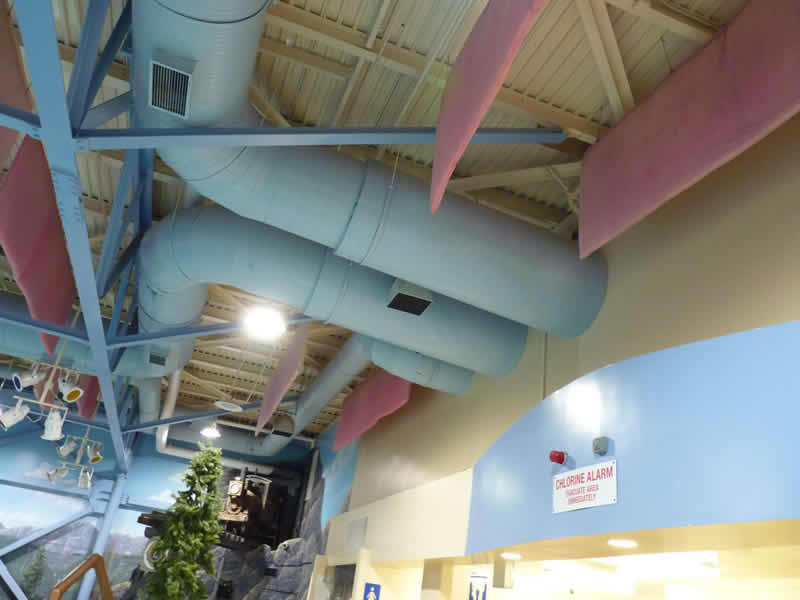
Before
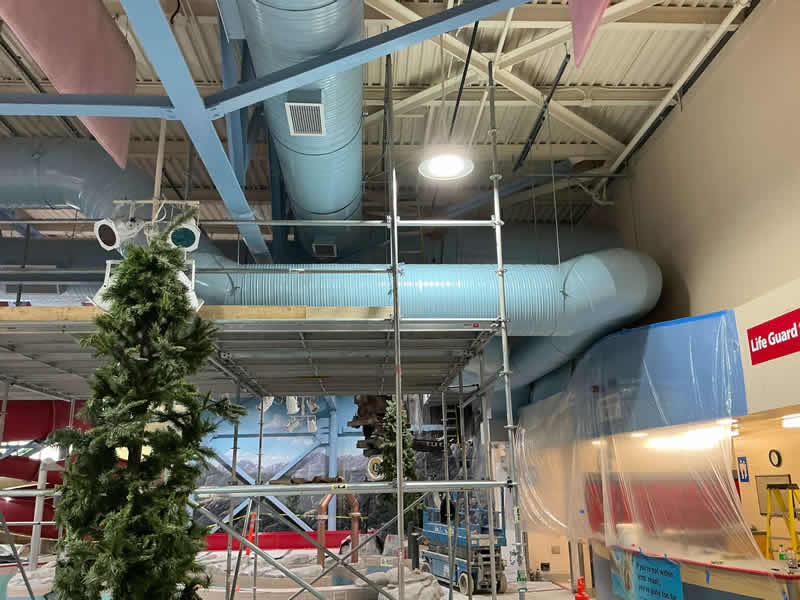
After
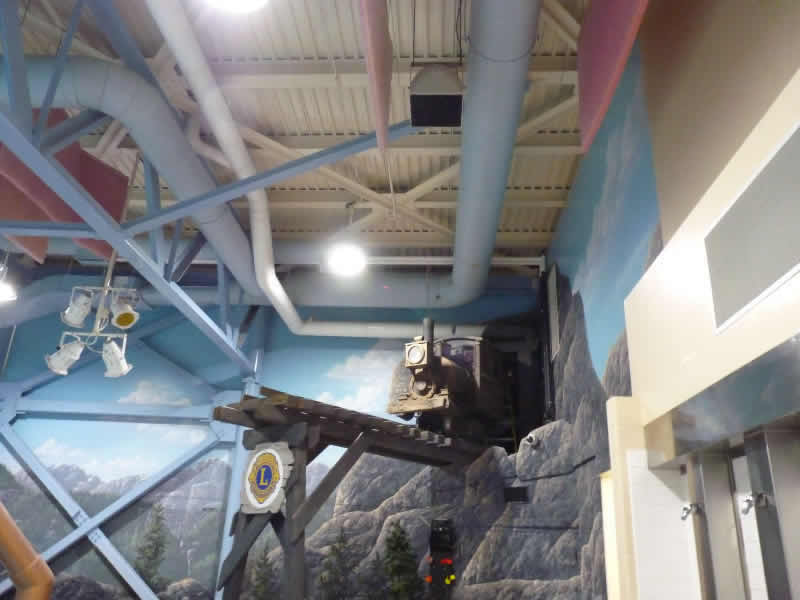
Before
After
Before
After
Before
After
Before
After
Before
After
Before
After
Before
After
Before
After
Before
After
Before
After
Before
After
Let's start your project together!
Contact us and let's chat about how we can help.